
ABOUT US
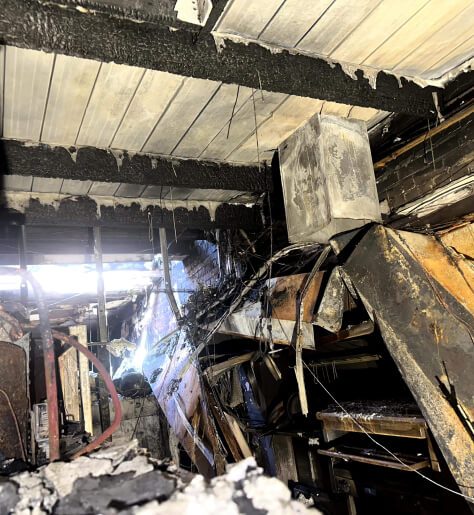
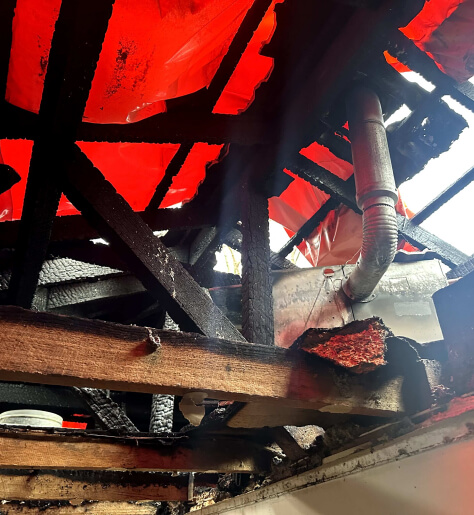
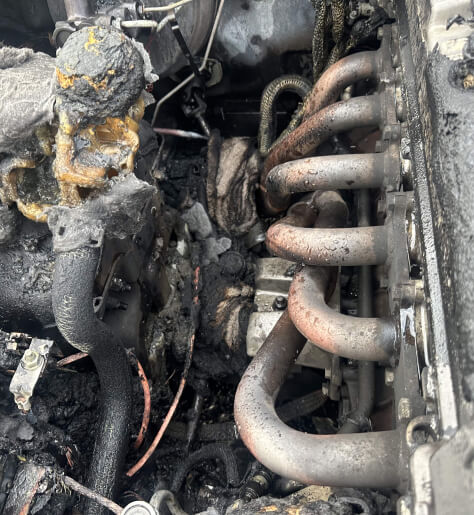
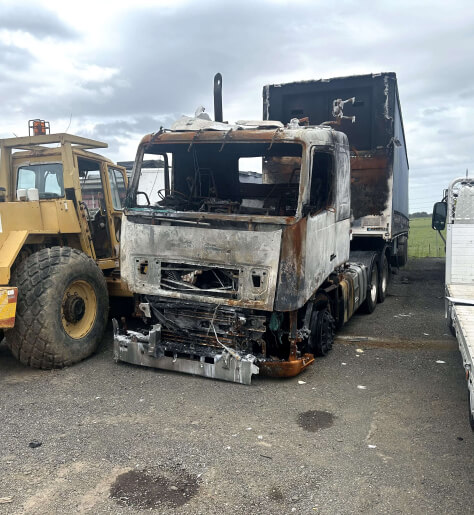
Licensed and Registered Professional Fire Forensics
Operating through all States and Territories of Australia, especially Victoria, Tasmania, and New South Wales. We have also been engaged to attend fire scenes in New Zealand.
We specialise in :
- Forensic fire origin and cause determination to evidentiary standards.
- Bushfire Attack Level (BAL) risk audits for compliance with the Australian Building Code.
- Expert knowledge in the Fire, Emergency Management and Risk industry.
- Fire risk audits to identify fire safety issues before they occur.
- Writing and conducting emergency drills, real time and tabletop exercises.
FEMAR is a niche fire origin and cause investigations and fire risk consultancy, operating throughout at FEMAR our team are tertiary qualified, industry experienced, knowledgeable and reliable. We hold a number of professional memberships including international forensic affiliations.
You can trust our fire cause investigators to ethically and professionally determine facts and ascertain what the truth is, to enable you make an informed decision.
Our services are impartial, honest and we pride ourselves on our professional reputation.
We have a NATA accredited chemical laboratory in our service and use state of the art handheld chemical detection on site.
Uncovering Our Unique Edge
What Sets Our Fire Investigation Services Apart?
04 3844 5585
Frequently Asked Questions
1. What is the difference between fire forensics and fire investigation?
Fire investigation determines the origin and cause of a fire — where it started and how. Fire forensics applies scientific laboratory analysis to physical evidence collected from the scene. In practice, a thorough examination combines both: field investigation to gather evidence, and forensic testing to confirm findings with scientific certainty.
2. How does a forensic fire investigation support an insurance or legal claim?
A forensic fire investigation produces a detailed, evidence-based report that establishes cause, origin, and contributing factors. This report is prepared by a qualified expert and can be submitted to insurers to support or dispute a claim, or relied upon in civil and criminal legal proceedings as independent expert evidence.
3. Can fire forensics and investigation services be used for subrogation purposes?
Yes. Insurers and their legal representatives regularly commission forensic fire investigations to support subrogation — recovering costs from a liable third party. A thorough investigation establishes whether a defective product, contractor negligence, or another party’s actions caused the fire, providing the evidence base needed to pursue recovery action.
4. How is a fire forensics report structured and what does it include?
A fire forensics report typically includes a scene examination summary, photographic evidence, laboratory analysis results, origin and cause findings, and the investigator’s expert opinion. It is structured to meet court admissibility standards and will reference applicable Australian Standards, relevant case law, and the investigator’s qualifications and methodology.
From The Blog
News & Articles
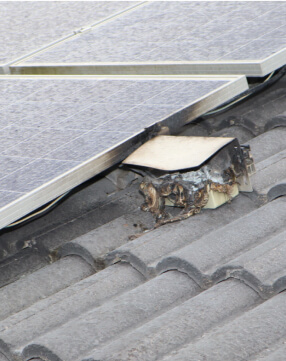
Own a PV solar array?
Installed PV solar arrays on structures require the installation of isolation switches both at the array and near the inverter. The National product safety database has several brands of DC isolators subject to National recalls. At FEMAR we are seeing an uptick the number of fires started…
13
APR
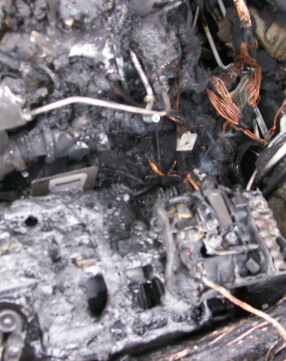
Worried if items in your house have a propensity to catch fire?
Worried if your dishwasher or fridge could catch fire? Go to www.productsafety.gov.au. There you will find all the products that have been recalled Nationally for safety reasons.
13
APR