
Fire investigation is a meticulous scientific process designed to uncover the truth behind a blaze. When the flames are extinguished and the smoke clears, the forensic investigator’s work begins. Their goal is not merely to sift through ash, but to determine the origin and cause of the fire, providing crucial answers for property owners, insurers, and legal authorities. This process is vital for recovering from loss and revitalising affected businesses.
The Science Behind Fire Forensics
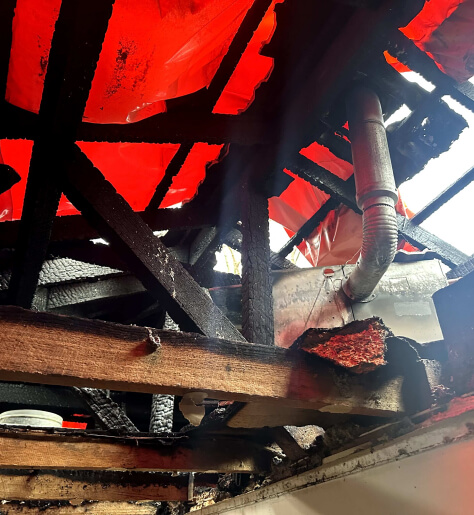
At its core, fire forensics relies on the immutable principles of thermodynamics and combustion physics. Investigators analyse burn patterns, heat intensity, and the condition of remaining materials to reconstruct the fire’s behaviour.
One of the most telling indicators is the “V-pattern,” where fire moves upwards and outwards from its source, leaving a distinctive mark on walls or vertical surfaces. By understanding how fire spreads and interacts with different fuels—identifying what is known as “fire dynamics”—experts can trace the path of destruction back to its specific point of origin. This scientific approach separates accidental ignitions from electrical faults or acts of arson.
Key Elements of Fire Investigation
A systematic approach is essential for accuracy and integrity. The investigation typically focuses on three main pillars: determining the area of origin, identifying the ignition source (the heat energy), and establishing the sequence of events that brought the two together. Many investigators structure this process using a formal ICAM investigation (Incident Cause Analysis Method), which provides a consistent framework for mapping contributing factors and root causes rather than relying on assumption alone.
Once the physical examination is complete, fires are classified into four categories:
- Accidental: Caused by unforeseen circumstances, such as faulty wiring or cooking mishaps.
- Natural: Caused by forces of nature, such as lightning.
- Incendiary: Intentionally set fires, legally referred to as arson.
- Undetermined: Where the cause cannot be proven to an acceptable level of certainty.
Tools and Technologies Used
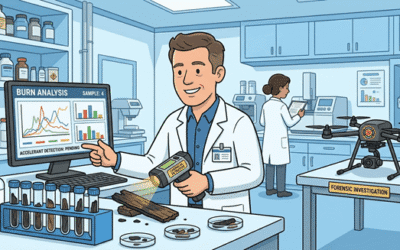
Modern investigators utilise a suite of advanced tools to gather evidence and document the scene. Hydrocarbon detectors are commonly used to sniff out accelerants like petrol, which may indicate incendiary intent.
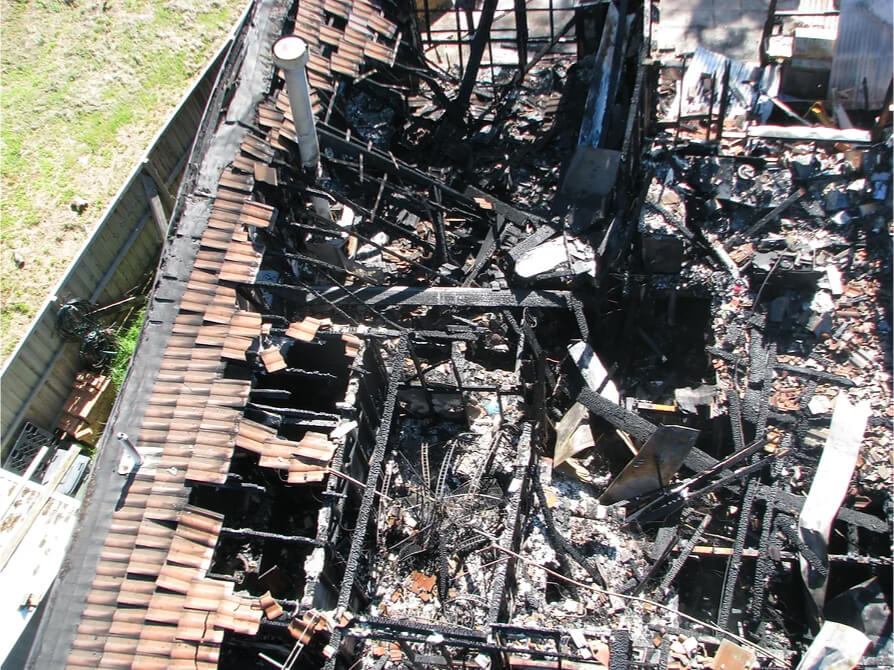
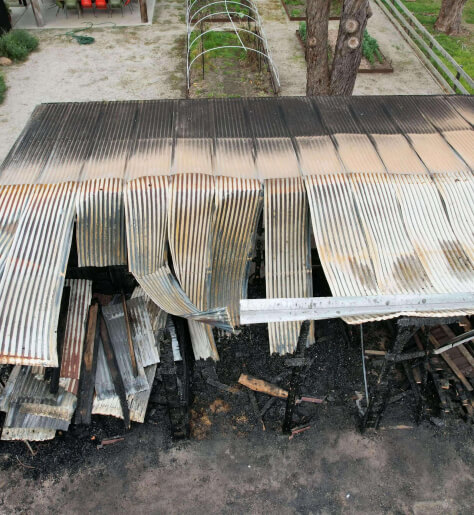
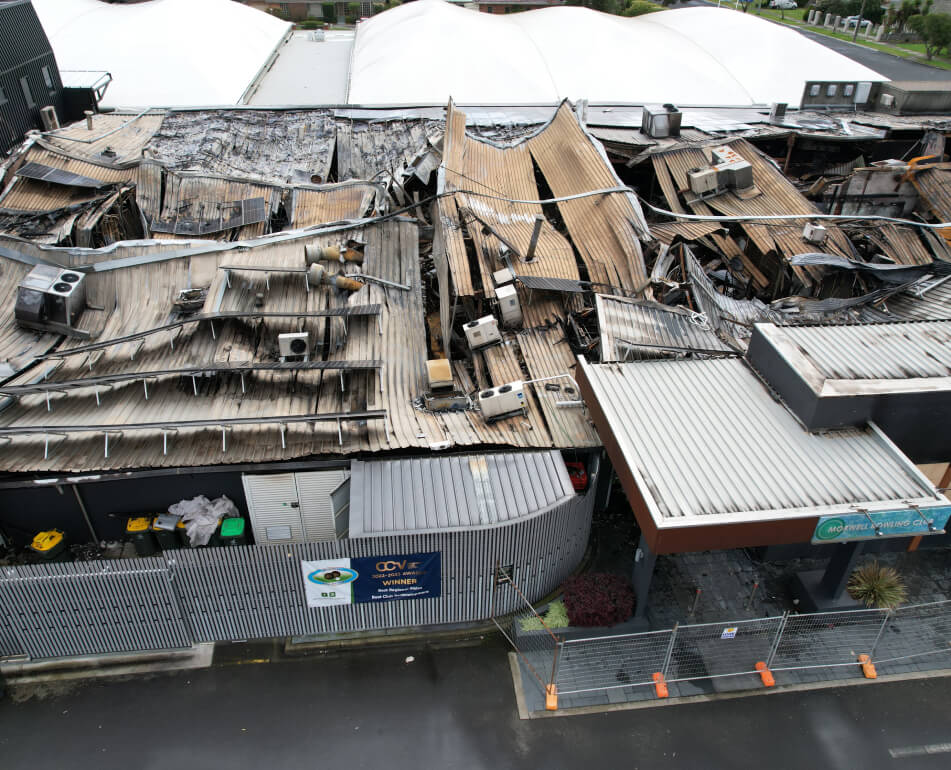
High-resolution photography and 3D laser scanning are now standard, allowing experts to document the scene with millimetre precision and preserve the site digitally. Unmanned aerial vehicles (drones) provide an aerial perspective of large-scale structural damage. In the laboratory, gas chromatography-mass spectrometry (GC-MS) helps identify chemical residues in debris, providing irrefutable scientific data.
Challenges in Fire Investigation
The nature of fire presents inherent difficulties. The primary challenge is that fire consumes the evidence of its own creation. Investigators must often work with severely damaged structures, where vital clues are charred, water-logged from suppression efforts, or buried under tons of rubble. Additionally, the structural instability of a burnt building poses significant safety risks, requiring investigators to balance thoroughness with strict safety protocols.
Preserving Truth Through Science
Fire investigation is essential for ensuring public safety and delivering justice. By rigorously applying forensic science, investigators provide closure for affected parties and help preserve legacies. Understanding the precise cause of a fire is the first step in preventing future tragedies. Beyond the investigation itself, findings are often used to inform a broader fire safety risk audit, helping businesses identify vulnerabilities in their premises and ensuring that they can rebuild with confidence and clarity.