
When a fire occurs, determining its origin and cause requires a methodical approach. Investigators rely on the scientific method to ensure their conclusions are based on evidence, not speculation. This process is the cornerstone of modern fire investigation forensic science, providing a reliable framework for analyzing complex fire scenes. Each step ensures a thorough and objective examination.
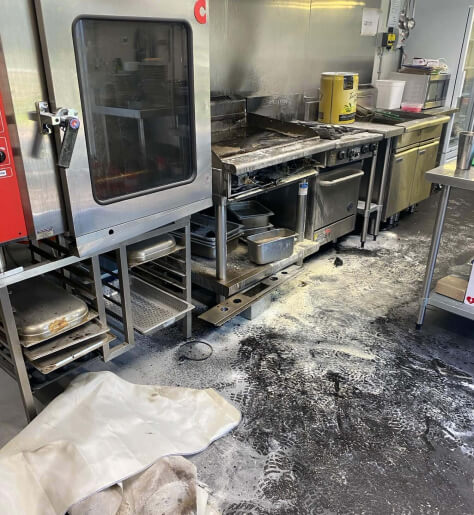
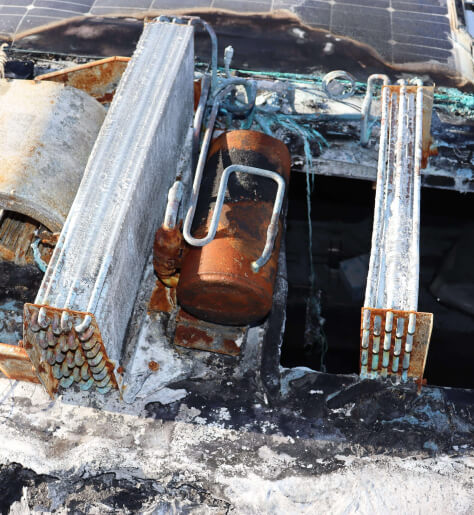
The 7 Steps in Fire Investigation Forensic Science
1. Recognize the Need:
This initial step often begins immediately after a fire is extinguished, when investigators are called to determine whether the cause was accidental, natural, or intentional.
2. Define the Problem:
Investigators establish the scope by identifying what areas need examination, securing the scene, and determining what resources or specialists may be required.
3. Collect Data:
Beyond photos and notes, this step includes preserving evidence chain-of-custody, interviewing witnesses, and mapping the scene to ensure nothing is overlooked.
4. Analyze the Data:
Evidence is carefully examined. This is where an investigator’s training in fire dynamics and patterns is crucial. Analysis often includes reconstructing timelines of how the fire ignited, spread, and progressed, along with interpreting burn patterns, char depth, and debris to understand fire behavior.
5. Develop a Hypothesis:
This theory must account for all observed evidence, including ignition source, fuel, and contributing environmental conditions.
6. Test the Hypothesis:
Testing may involve fire modeling, laboratory analysis, or expert consultation to validate findings objectively.
7. Select a Final Hypothesis:
This conclusion must be defensible and clearly documented for legal, insurance, or regulatory purposes.
By following these structured steps, investigators can confidently identify the cause of a fire. For expert fire investigation forensic science services in Melbourne and throughout Victoria, trust the professionals at Fire, Emergency, Management & Risk.