
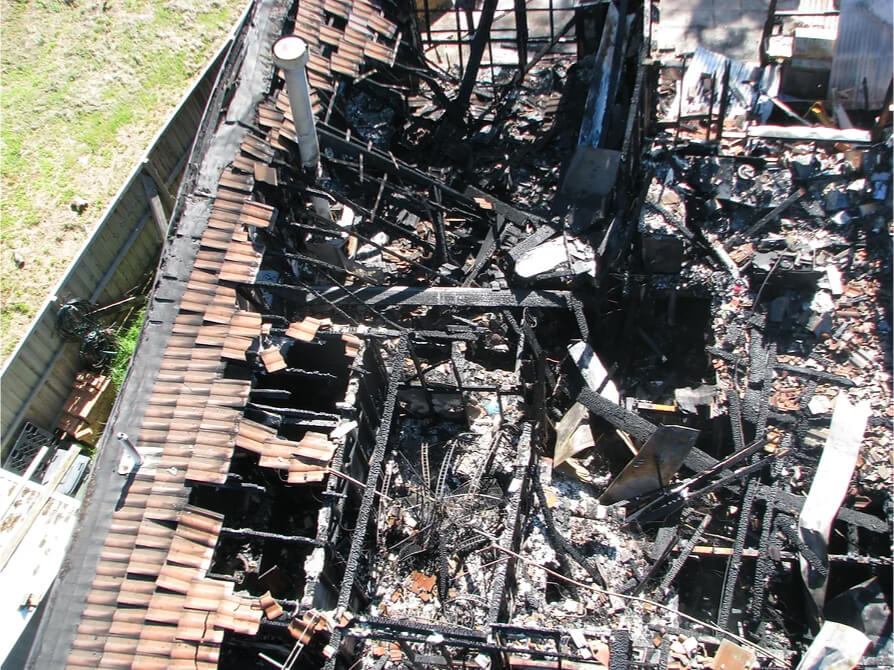
Fire investigators determine arson by examining burn patterns and points of origin at the scene, testing debris for accelerants, gathering witness statements, and establishing motive, then weighing all of that evidence together to reach a scientifically defensible conclusion. None of these elements is enough on its own — it’s the combination of physical evidence, laboratory results, testimony, and context that allows investigators to distinguish a deliberately set fire from an accidental one. Here’s a closer look at how each part of that process actually works, from the moment investigators arrive on scene to the final report that may end up in an insurance claim or a courtroom.
Analyzing the Fire Scene
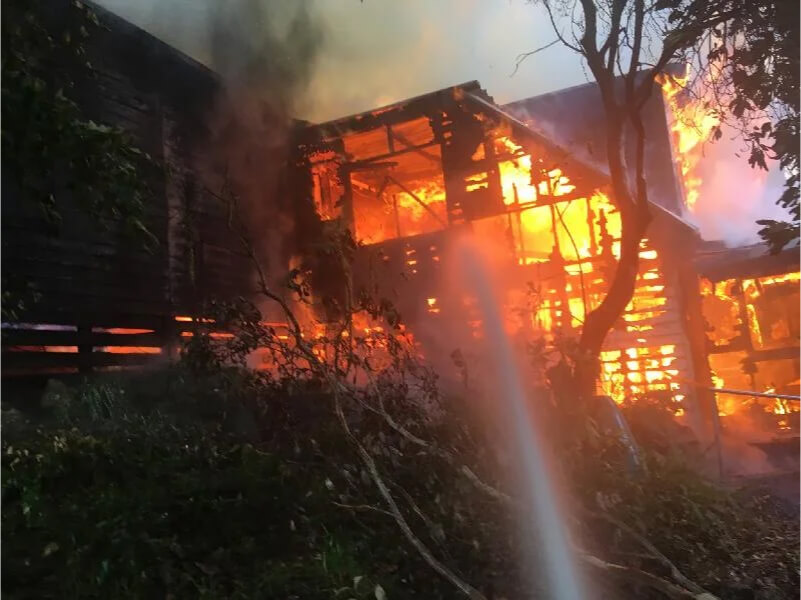
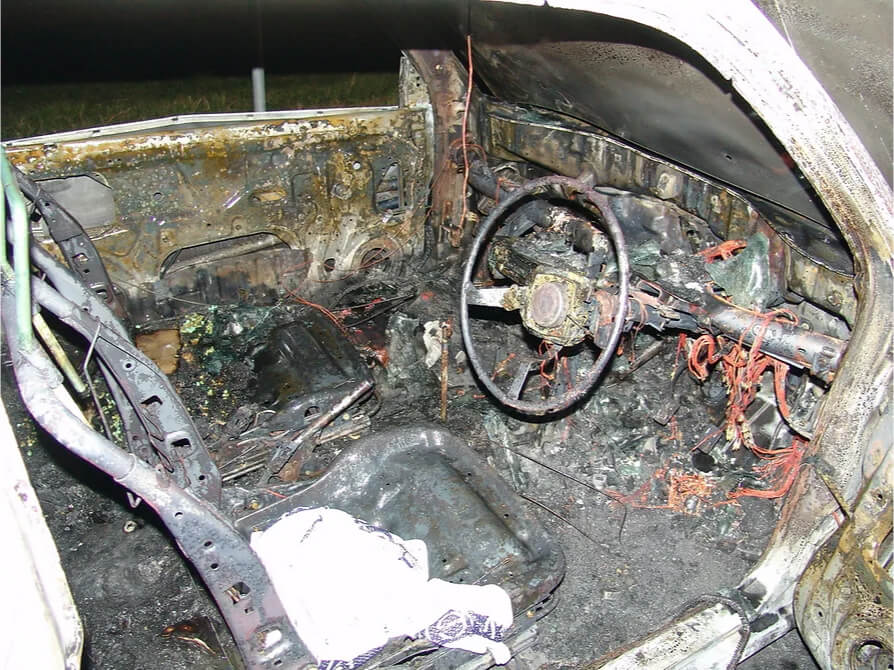
The first step in an arson investigation is a thorough, systematic inspection of the fire scene — usually starting from the area of least damage and working inward toward the area of greatest destruction. This “outside-in” approach helps investigators avoid tunnel vision and ensures no evidence is overlooked before it’s disturbed or removed.
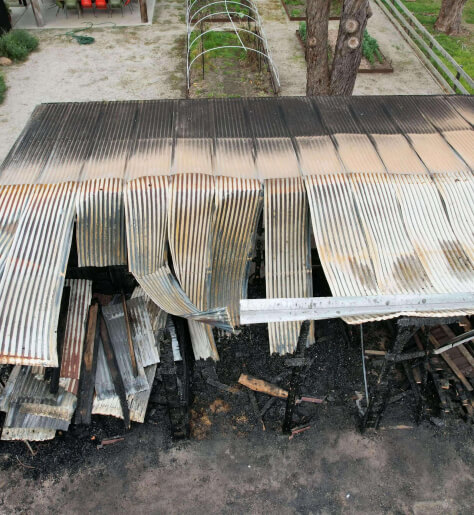
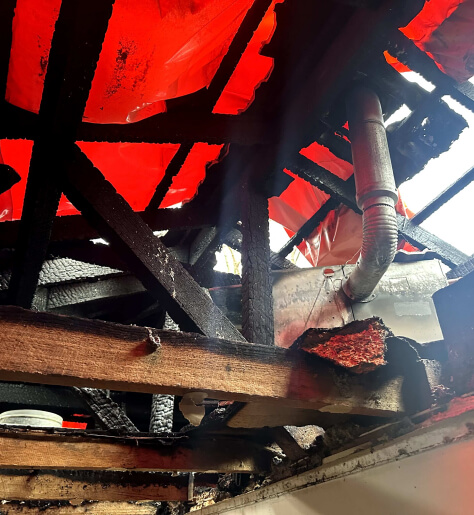
Investigators pay close attention to burn patterns, which reveal how the fire spread and behaved over time. V-shaped patterns on walls typically point back toward the origin, while irregular, pooled, or “puddle-shaped” burn marks on floors can suggest that a liquid accelerant was present and burned exactly where it was poured. Char depth, the direction of soot deposits, and heat-affected glass or metal all help build a picture of the fire’s path.
A particularly telling sign of deliberate ignition is the presence of multiple, unconnected points of origin. Accidental fires almost always start in a single location and spread outward; when investigators find two or more separate seats of fire with no plausible connection between them, it strongly suggests the fire was intentionally set in more than one place.
Identifying Accelerants
Arsonists often use accelerants — such as petrol, kerosene, or other flammable liquids — to start or spread a fire quickly and unpredictably. Investigators collect debris samples from areas showing unusual burn patterns, low-level charring, or persistent chemical odours, and package them in sealed, uncontaminated containers to preserve any trace evidence.
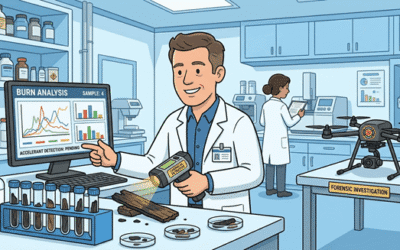
These samples are then sent to a laboratory for analysis. Tools like gas chromatography–mass spectrometry (GC-MS) can detect even trace, microscopic quantities of ignitable liquids in fire debris, often long after the fire has been extinguished. A NATA-accredited laboratory adds an extra layer of scientific rigour and credibility to these findings, which matters enormously if the results are later relied upon in an insurance dispute or criminal proceeding. Handheld chemical detection devices used on scene can also give investigators an early indication of where to focus sample collection before lab results come back.
Collecting Witness Statements
Physical evidence rarely tells the whole story on its own, so witnesses play a crucial role in identifying the cause of a fire. Investigators interview neighbours, occupants, first responders, and other relevant individuals to build a timeline of events and gather accounts of suspicious activity — an unfamiliar vehicle parked nearby, someone seen leaving the property shortly before the fire, or unusual behaviour in the lead-up to the incident.
Firefighters and emergency crews who attended the scene are also valuable witnesses, since their observations of flame colour, smoke behaviour, and how quickly the fire took hold can support or contradict findings from the physical scene examination. Cross-referencing witness accounts with the physical evidence helps investigators confirm timelines and rule out or corroborate specific theories about how the fire started.
Considering Motives and Context
Every fire investigation goes beyond physical evidence to examine motive and context, because establishing how a fire started is only half the picture — understanding why it may have been set is often what ties the case together. Common motives include financial gain or insurance fraud, revenge or personal disputes, vandalism, concealment of another crime, and, in some cases, psychological or compulsive disorders such as pyromania.
Investigators may look at financial records, recent changes to insurance policies, property disputes, or relationship history to establish whether a motive existed. On its own, motive doesn’t prove arson — but when it lines up with physical evidence like multiple points of origin or accelerant traces, it strengthens the overall case considerably.
Chain of Custody and Documentation
Throughout the entire process, maintaining a clear chain of custody is essential. Every sample, photograph, and piece of evidence needs to be logged, securely stored, and traceable from the moment it’s collected to the moment it’s presented as evidence. Any gap in that chain can undermine an otherwise sound investigation, particularly if the findings are challenged in court. Reputable fire investigators keep detailed photographic records, secure evidence storage facilities, and thorough documentation practices to ensure their findings hold up under scrutiny.
From Findings to a Formal Report
The final step is compiling all of this — scene examination, laboratory results, witness statements, and motive analysis — into a formal report. A well-prepared fire investigation report typically includes a summary of the scene examination, photographic evidence, laboratory findings, the investigator’s opinion on origin and cause, and references to relevant standards and methodology. This report can be used to support or dispute an insurance claim, assist with subrogation to recover costs from a liable third party, or serve as independent expert evidence in civil or criminal proceedings.
Get Expert Help in Melbourne
If you’re dealing with fire-related situations, FEMAR can assist. Our team combines field investigation expertise with access to a NATA-accredited chemical laboratory, ensuring findings are both thorough and scientifically defensible. We provide expert services right here in Melbourne, VIC, and are available 24/7. Reach out to us today for your fire investigation and assessment needs.